Stem Cell Therapy for Neurological Conditions
Restoring Nerve Function Through Regenerative Healing
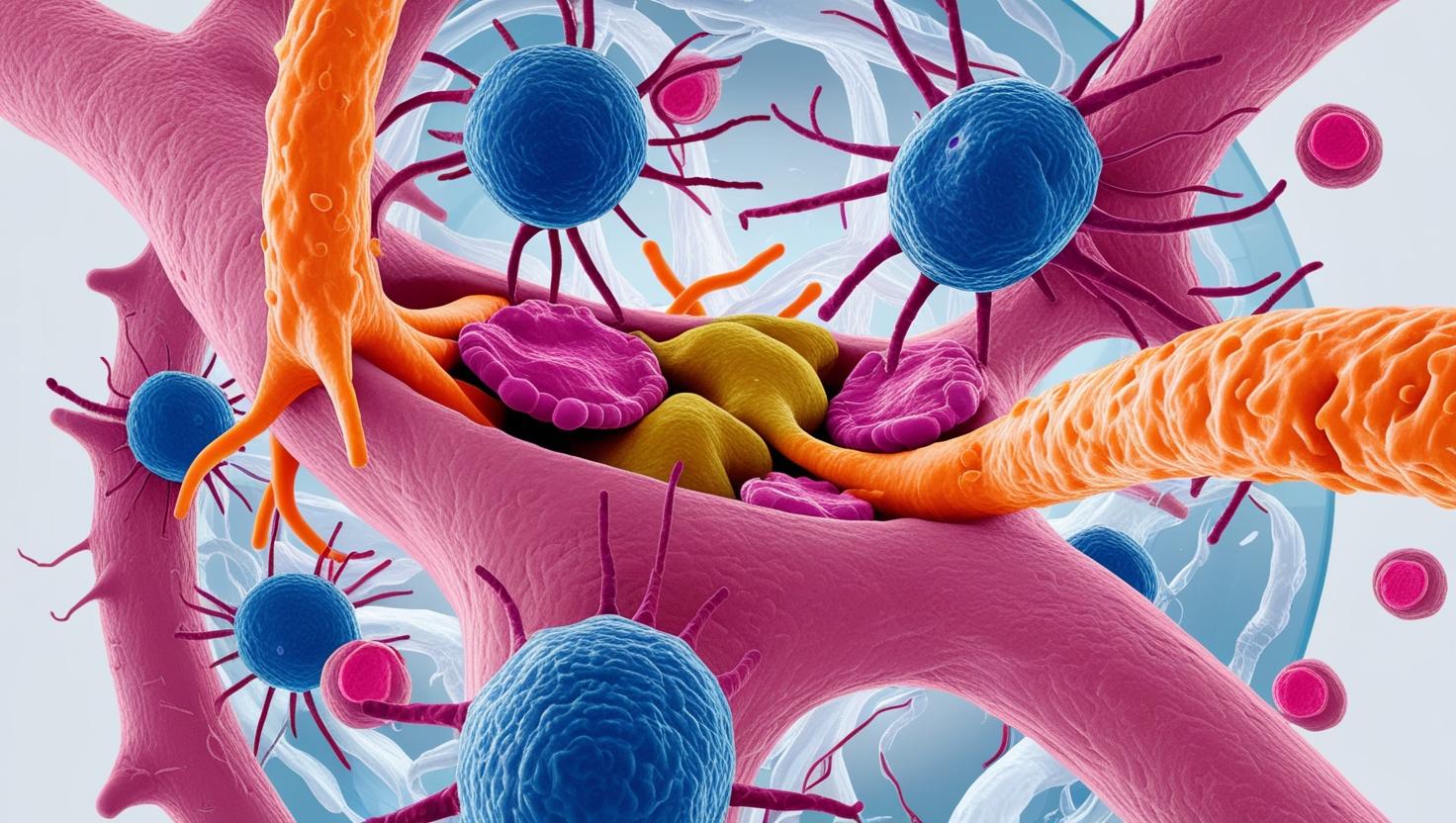
Stem cell therapy is bringing hope to patients with neurological conditions by offering a regenerative solution to nerve damage and neurodegeneration. Instead of only managing symptoms with medication, stem cells target the root of the problem by promoting neural repair, reducing inflammation, and supporting the regeneration of damaged brain or nerve tissues.
Conditions Treated with Neurological Stem Cell Therapy

Stroke Recovery
Stem cell therapy may help repair damaged neurons and stimulate neuroplasticity after a stroke. It supports recovery of motor function, speech, and cognitive abilities, especially when combined with rehabilitation.
Multiple Sclerosis (MS)
By modulating the immune system and encouraging remyelination, stem cells may slow down the progression of MS, reduce relapses, and improve mobility and fatigue.
Parkinson’s Disease
Stem cell therapy aims to restore dopamine-producing neurons in patients with Parkinson’s, potentially improving symptoms such as tremors, stiffness, and slow movements.
What Are Stem Cells and How Do They Work in Neurology?
Stem cells are undifferentiated cells capable of transforming into various specialized cells, including neurons and glial cells. In neurological treatments, mesenchymal stem cells (MSCs) and neural stem cells (NSCs) are used to:
- Promote regeneration of damaged nerve cells
- Reduce inflammation and oxidative stress in the nervous system
- Stimulate neurogenesis and improve connectivity
- Support remyelination of nerves for better signal transmission
Once administered intravenously or directly into cerebrospinal fluid (depending on the condition), these cells travel to areas of damage and activate repair processes.
Benefits of Stem Cell Therapy in Neurological Conditions
Potential for Functional Recovery
Helps restore movement, sensation, and cognitive function.
Reduces Inflammation
Modulates the immune response to protect nerve tissue.
Slows Disease Progression
Targets underlying mechanisms of degeneration in conditions like MS or Parkinson’s.
Non-Surgical and Low Risk
Minimally invasive with a low risk of side effects or complications.
Real Stories. Real Results.
What Patients Are Saying
“After my stroke, I never thought I’d walk unaided again. Stem cell therapy accelerated my recovery in ways therapy alone couldn’t.”
“Living with MS was a constant struggle. Stem cell treatment reduced my flare-ups, and I feel more energetic and balanced.”
What to Expect During Treatment?
A comprehensive neurological assessment is conducted, which may include MRI, EMG, and a review of symptoms and history.
Autologous (your own) stem cells are collected from bone marrow or adipose tissue, or in some cases, donor-derived cells may be used.
Cells are purified and delivered either intravenously or intrathecally (into spinal fluid), depending on the condition being treated.
Most patients can resume normal activities within a day or two. Gradual improvements in symptoms are monitored over the following weeks to months.